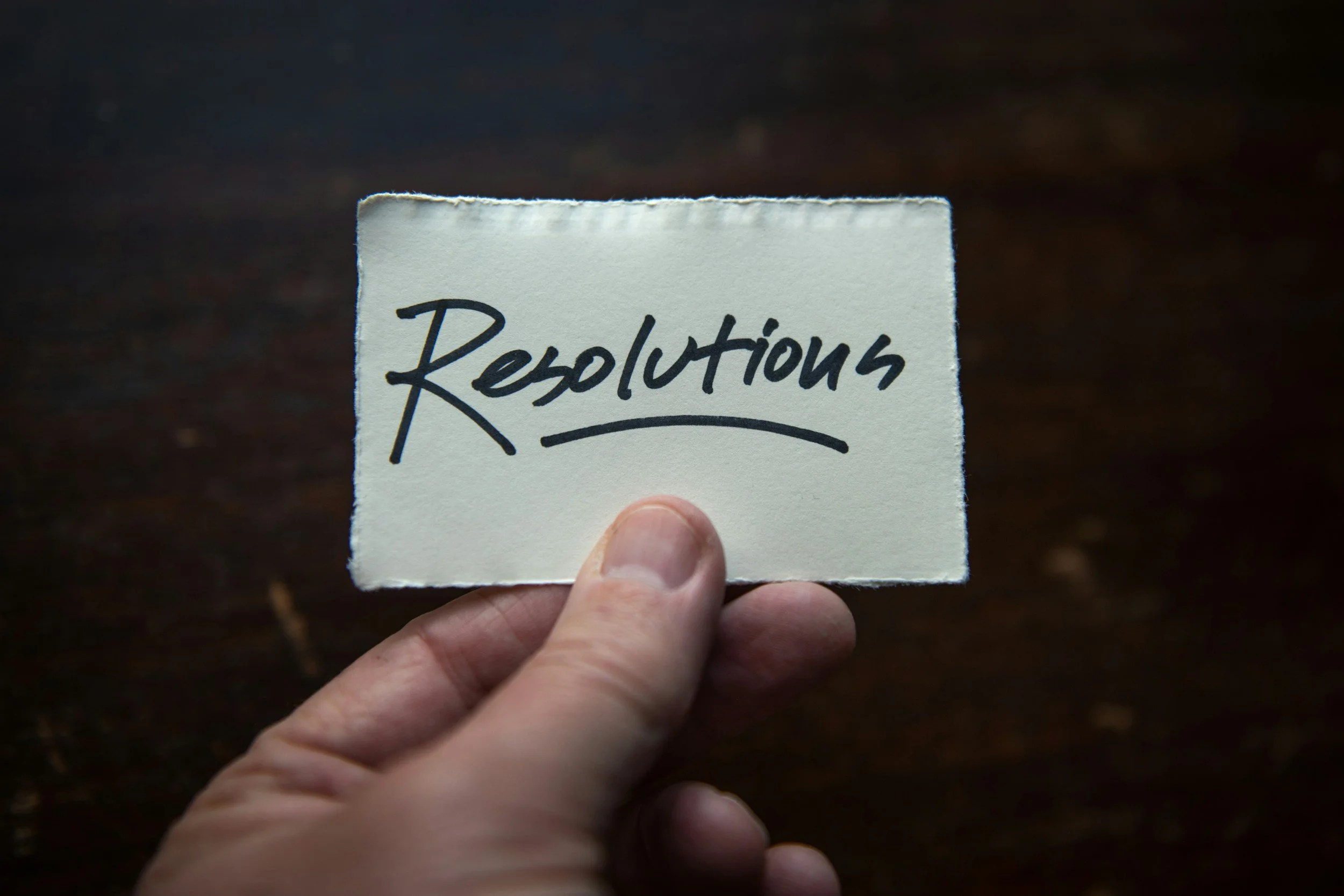
SZN. 4 Ep. 7/ Beyond Resolutions: Rethinking Change Before the New Year
Beyond Resolutions: Rethinking Change Before the New Year
By: Alexandria Gohla, MSW, LCSW, Ed.S
Every December, the cultural drumbeat gets louder: What’s your resolution? How will you reinvent yourself? Who do you want to be in the New Year? It’s a narrative rooted in fresh starts, blank slates, and (let’s be honest) a heavy dose of pressure.
But what if this obsession with transformation is part of the problem? Instead of cultivating real, sustainable growth, “New Year, New You” culture often reinforces feelings of inadequacy. It subtly tells us we’re not enough as we are—and that salvation lies in gym memberships, productivity planners, or overnight self-improvement hacks.
Research suggests that as many as 80% of New Year’s resolutions fail by February (University of Scranton, 2014). The cycle is familiar: set big, sweeping goals → stick with them for a few weeks → slip up once → abandon them altogether, often with guilt and shame tagging along.
So maybe the question isn’t “What will I change?” but instead:
👉 “What is already working in my life—and how can I build on it?”
👉 “What values actually matter to me in this next season?”
👉 “What needs to be released before I step into the New Year?”
Why Resolutions Don’t Work (and What Does)
Resolutions often fail because they’re:
Externally motivated (influenced by social comparison, Instagram trends, or cultural expectations).
Too rigid (all-or-nothing thinking leaves no space for slip-ups).
Disconnected from values (a resolution to “lose 20 pounds” is very different from “I want to feel energized and strong so I can enjoy playing with my kids”).
Psychological research shows that intrinsic motivation—the drive that comes from personal meaning and values—creates more sustainable behavior change than extrinsic pressure. This means that aligning goals with why they matter to you makes them more likely to stick.
How to Reframe Your Pre-New Year’s Reflection
Instead of waiting for January 1st to pressure yourself into big promises, try these practices in December:
1. Conduct a “Year-in-Review” With Compassion
Write down three challenges you faced and how you grew through them.
List three moments of joy, however small, that you want to carry forward.
Reflect on one lesson you learned this year about your relationships, your boundaries, or your resilience.
This isn’t about fixing yourself. It’s about noticing your growth story.
2. Release What No Longer Serves You
Journal about the habits, thought patterns, or relationships you don’t want to bring into 2026.
Try a symbolic ritual: write them on slips of paper and safely burn or shred them. Ritualizing release helps your body feel closure, not just think about it.
3. Set Intentions, Not Resolutions
Intentions are less about measurable outcomes and more about guiding principles. Examples:
“I want to practice presence in my daily life.”
“I want to be kinder to myself when I make mistakes.”
“I want to nurture friendships that feel mutual and supportive.”
Intentions guide behavior without punishing you for being human.
4. Choose Micro-Goals That Honor Your Nervous System
Somatic psychology reminds us that change sticks best when our bodies feel safe, not overwhelmed. Instead of saying “I’ll meditate 30 minutes every morning” try “I’ll start with 3 minutes after I pour my coffee.” Tiny shifts compound over time without triggering resistance.
5. Find an Accountability Partner Who Gets It
Not the gym-buddy who guilts you when you skip a day. Look for a friend, therapist, or support group where accountability feels like encouragement, not shame.
You don’t need a “new you” in January. You need a truer you—a self aligned with values, grounded in compassion, and willing to take imperfect steps forward.
So before the clock strikes midnight, give yourself permission to pause. To reflect. To let go. To choose intentions that feel nourishing, not punishing.
Because the most radical resolution you can make this year might be this: I am already enough. And I’ll grow from here.
✨ Call to Action: If you’re tired of the resolution burnout cycle and want to enter the New Year with clarity and grounded support, therapy can help. Together we can explore your values, release old patterns, and build meaningful change that lasts beyond February. Reach out today to schedule a session.