SZN. 4 Ep. 26/Understanding the Different Types of Abuse and Neglect
Understanding the Different Types of Abuse and Neglect
By: Alexandria Gohla, MSW, LCSW, Ed. S
When people hear the word “abuse,” they may immediately think of physical violence or visible injuries. But abuse can take many forms, and some of the most harmful experiences leave no obvious physical signs.
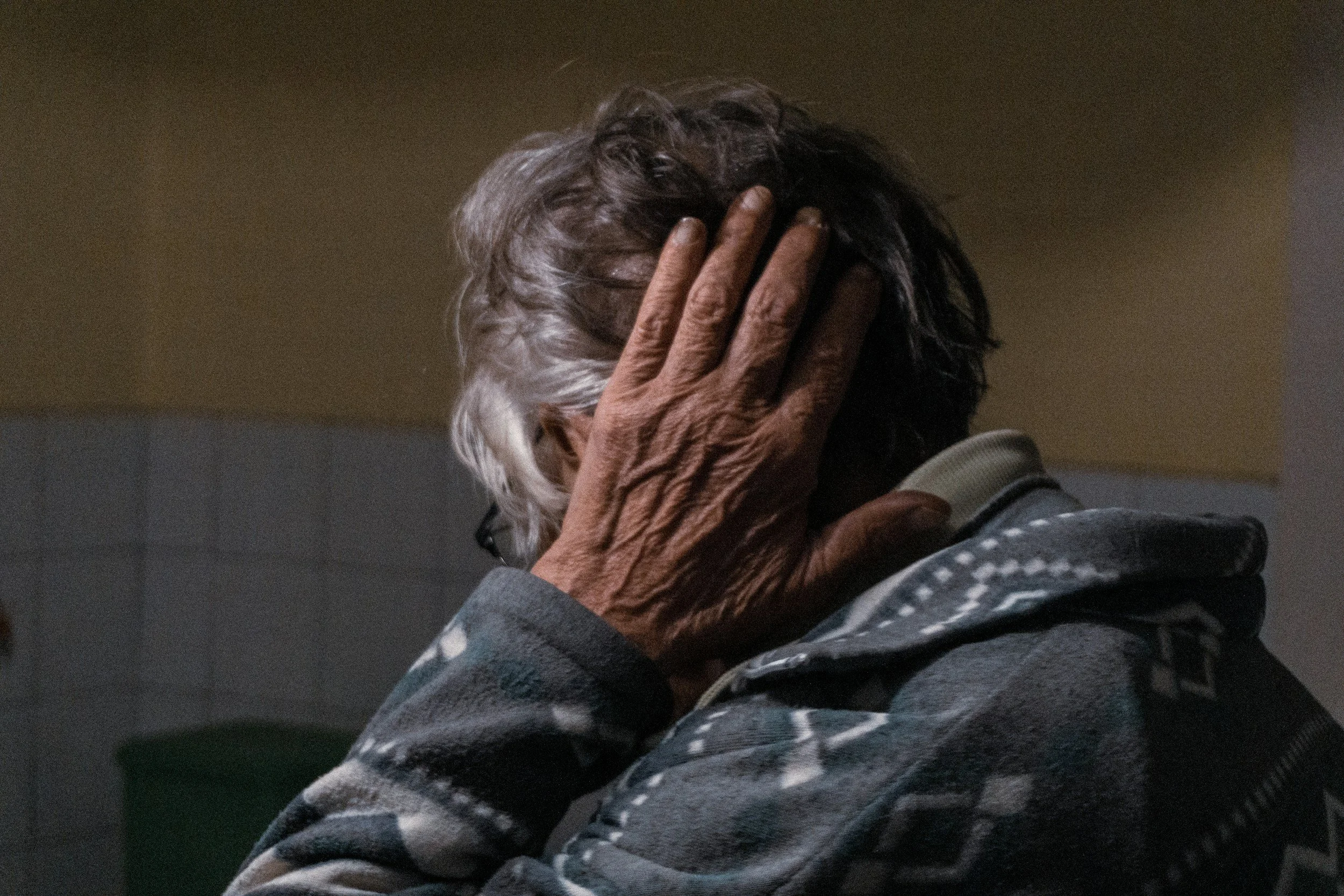
This can be especially important to understand when we are talking about vulnerable adults, including older adults who may rely on family members, caregivers, medical professionals, or residential facilities for support.
Awareness of abuse and neglect has grown significantly over the years, particularly around physical and sexual abuse. Yet abuse involving older adults can still be overlooked, minimized, or difficult to identify.
Understanding what abuse and neglect can look like is an important first step toward protecting the safety, autonomy, and dignity of the people we care about.
Abuse Isn't Always Physical
Physical abuse is one of the more recognizable forms of mistreatment. It can include hitting, pushing, grabbing, causing injury, or improperly using restraints.
However, the absence of bruises or other visible injuries does not necessarily mean that someone is safe.
Emotional and verbal abuse can be equally concerning. This may include threats, intimidation, humiliation, excessive criticism, controlling behavior, isolation, or intentionally causing someone fear or emotional distress.
Over time, a person experiencing emotional abuse may become increasingly withdrawn, anxious, fearful, or hesitant to speak openly around certain people.
Financial Abuse and Exploitation
Financial abuse can be particularly concerning for older adults and others who depend on someone else for assistance managing their finances.
Financial exploitation may involve taking money without permission, improperly accessing bank accounts, misusing credit cards, changing financial documents, pressuring someone to give away money or property, or otherwise taking advantage of a person's financial resources.
Sometimes these situations involve strangers or scams. Other times, the person responsible may be someone the individual knows and trusts.
Unexpected financial changes, missing belongings, unusual withdrawals, unpaid bills despite adequate resources, or sudden changes to financial arrangements may warrant additional attention.
Sexual Abuse
Sexual abuse includes unwanted or nonconsensual sexual contact or activity.
Older adults and people with physical or cognitive limitations can be particularly vulnerable when they are dependent upon others for personal care or have difficulty communicating what has happened to them.
Changes in behavior, fearfulness around a particular person, unexplained injuries, or sudden emotional distress may be reasons to look more closely at what is happening.
Understanding Neglect
Neglect can sometimes be more difficult to recognize because it may not involve one identifiable act of harm. Instead, it can involve someone's basic physical, emotional, or medical needs repeatedly not being met.
Possible warning signs can include:
Poor hygiene or significant changes in appearance
Dehydration or malnutrition
Untreated medical concerns
Medication errors or missed medications
Unexplained injuries
Frequent falls
Bedsores or other preventable health concerns
Unsafe or unsanitary living conditions
Significant or unexplained changes in mood or behavior
One sign by itself does not necessarily mean abuse or neglect is occurring. Medical conditions, cognitive changes, medication effects, and other circumstances can sometimes cause similar symptoms.
What matters is paying attention to patterns, unexplained changes, and situations that don't seem consistent with the care someone should be receiving.
Why Older Adults May Be Particularly Vulnerable
Older adults can face unique vulnerabilities related to physical health, mobility, cognitive changes, social isolation, or dependence on others for transportation, finances, medical care, or everyday activities.
Those same circumstances can also make it harder for someone to disclose mistreatment.
A person may be unable to clearly communicate what happened. They may depend on the person who is mistreating them. They may fear retaliation or losing their caregiver. They may worry that others won't believe them. In other situations, they may not recognize that what is happening constitutes abuse or exploitation.
This is one reason family members, friends, healthcare providers, therapists, and other trusted people can play such an important role in noticing meaningful changes.
Pay Attention to Changes
When you know someone well, you often know what is typical for them.
A sudden change in mood, appearance, physical health, financial circumstances, or behavior doesn't automatically indicate abuse. But unexplained changes deserve curiosity and attention.
You might notice that a loved one suddenly seems unusually fearful or withdrawn. Perhaps injuries are occurring more frequently, explanations don't seem to make sense, or their health has deteriorated unexpectedly. You may notice that they become uncomfortable when a particular caregiver enters the room or that someone consistently prevents you from speaking with them privately.
Rather than dismissing these observations, pay attention to the pattern.
What Can Families Do When Something Doesn't Feel Right?
If you have concerns about the care or treatment of someone you love, documenting what you observe can be helpful.
Write down dates, changes in physical condition or behavior, injuries, conversations with caregivers, medical concerns, and other unusual events. When appropriate, photographs or relevant medical and financial records may also help establish a clearer picture of what has been happening.
Most importantly, take concerns seriously.
You don't have to have every answer before asking questions or seeking additional support. Depending on the circumstances, that may involve talking with medical providers, facility administrators, appropriate protective agencies, or other professionals who can help determine the next steps.
If someone appears to be in immediate danger, seek emergency assistance.
Knowledge Can Help Us Protect Vulnerable People
Conversations about abuse can be uncomfortable. But avoiding them doesn't make vulnerable people safer.
Learning what abuse and neglect can look like gives families and communities another tool for recognizing when something may be wrong. It also helps us move beyond the assumption that abuse must be visible or dramatic before it deserves attention.
Older adults deserve the same safety, respect, autonomy, and dignity that we advocate for at every other stage of life.
If you have an aging parent, grandparent, family member, or other vulnerable person in your life, learning the warning signs can help you feel more prepared to notice concerns and advocate for their wellbeing.
For additional information about abuse and neglect involving older adults and nursing-home residents, Lanzone Morgan provides a more detailed guide to the different forms of abuse and neglect and potential warning signs: https://lanzonemorgan.com/types-of-abuse-neglect/
Awareness doesn't mean assuming the worst. It means being willing to notice, ask questions, and take concerns seriously when someone who may not be able to fully advocate for themselves needs another person to pay attention.